Kimbap (Korean Seaweed Rice Rolls) is a delightful dish that showcases the vibrant flavors and textures of Korean cuisine. This versatile meal is perfect for picnics, lunchboxes, or a quick snack at home. Kimbap stands out with its colorful ingredients and can be tailored to suit various tastes, making it a favorite among many.
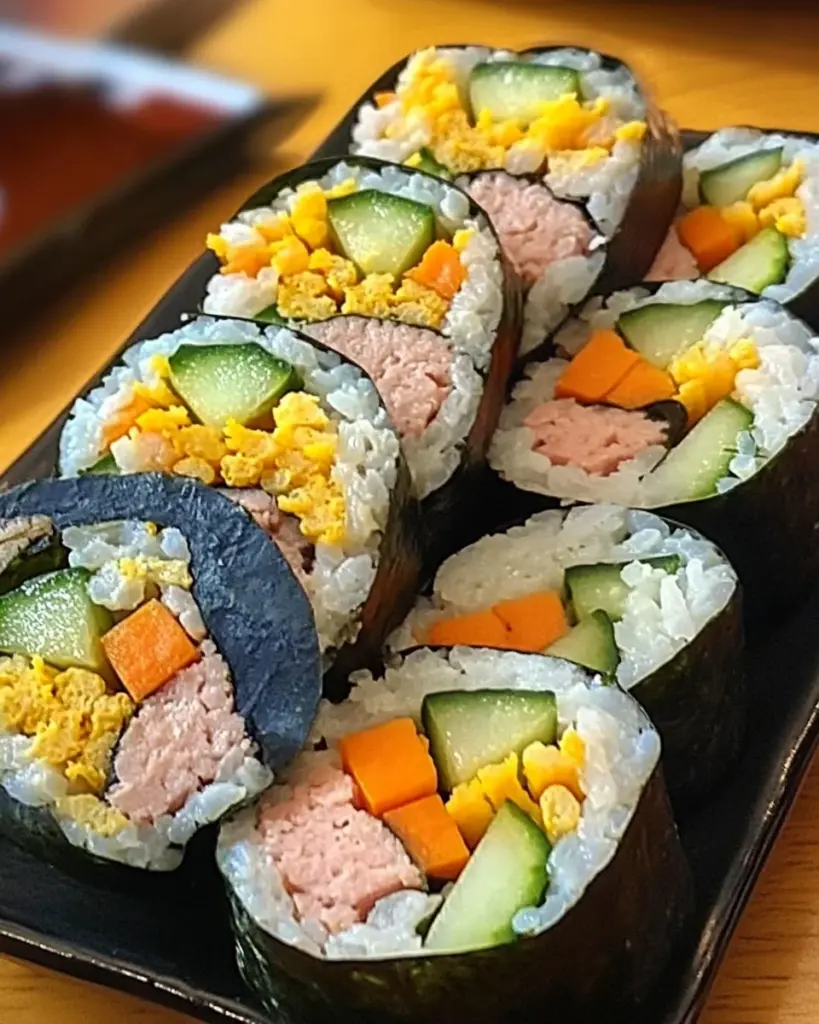
Why You’ll Love This Recipe
- Quick to Prepare: Kimbap can be made in under an hour, making it a great option for busy days.
- Customizable Ingredients: Use whatever fillings you prefer, from vegetables to proteins, ensuring everyone can enjoy their own version.
- Healthy Choice: Packed with nutrients from fresh vegetables, kimbap is a wholesome meal option.
- Perfect for Sharing: These rolls are easy to cut into bite-sized pieces, ideal for gatherings or family meals.
- Flavorful & Satisfying: With each bite, you’ll experience a mix of textures and tastes that will keep you coming back for more.
Tools and Preparation
Before diving into making kimbap, it’s essential to gather the right tools. Having the right equipment will make the process smoother and more enjoyable.
Essential Tools and Equipment
- Bamboo mat
- Frying pan
- Knife
- Cutting board
- Bowl
Importance of Each Tool
- Bamboo mat: This tool helps shape and roll the kimbap neatly, ensuring even pressure throughout.
- Frying pan: A good frying pan is crucial for cooking the eggs and frying the spam to golden perfection.
- Knife: A sharp knife ensures clean cuts through your kimbap rolls for beautiful presentation.
Ingredients
Here are the ingredients you’ll need for making delicious Kimbap (Korean Seaweed Rice Rolls):
- 3 eggs
- 1 cucumber
- 3 carrots
- 1 pickled yellow radish (danmuji/takuan)
- 1 can of Spam (lunch meat)
- 2 cups of short-grain white rice, cooked
- 4 sheets of seaweed (gim/nori)
- Optional sesame oil and sesame seeds
How to Make Kimbap (Korean Seaweed Rice Rolls)
Step 1: Prepare the Fillings
- Beat the eggs and pour them into a lightly greased frying pan. Cook until set and then slice into thin strips.
- Cut the cucumber, carrots, pickled radish, and spam into thin strips. If desired, remove the seeds from the cucumber.
Step 2: Sauté Carrots and Spam
- Toss the sliced carrots with 1 tablespoon of salt; let them sit for 15 minutes.
- Squeeze out excess liquid from the carrots after resting. Sauté them in a pan for about 4 minutes until tender.
- In the same pan, add the sliced spam along with vegetable oil. Fry each piece for about 1 minute on each side until golden brown.
Step 3: Assemble the Kimbap
- Lay down a sheet of seaweed on your bamboo mat.
- Using wet fingers, spread a thin layer of cooked rice onto the seaweed while leaving about 2 cm (or 1 inch) empty at the top.
Step 4: Roll It Up!
- Place rows of each ingredient in the center of the rice-covered seaweed.
- Lift the bamboo mat and fold it over tightly around the filling while pressing down firmly.
- Continue rolling forward to seal the kimbap. Use grains of rice as glue if needed.
- Optionally brush with sesame oil and sprinkle with sesame seeds before slicing into bite-sized pieces.
Now you’re ready to enjoy your homemade Kimbap!
How to Serve Kimbap (Korean Seaweed Rice Rolls)
Kimbap is a versatile dish that can be enjoyed in many ways. Whether you’re having a picnic or a simple lunch at home, these Korean seaweed rice rolls are perfect for any occasion.
With Soy Sauce
- Dip your kimbap in soy sauce for an added umami flavor. A light drizzle enhances the taste of the rice and fillings.
On a Charcuterie Board
- Arrange kimbap alongside cheeses, cured meats, and fruits for an eye-catching charcuterie board. This makes for a fun and interactive meal.
As a Snack
- Enjoy kimbap as a quick snack between meals. It’s easy to grab and eat on the go, making it ideal for busy days.
With Pickled Vegetables
- Serve kimbap with a side of pickled vegetables, such as kimchi or pickled radish. The tangy flavors complement the richness of the rice rolls.
For Lunch Boxes
- Pack kimbap in lunch boxes for school or work. They hold up well and make a nutritious option that’s easy to eat.
With Hot Soup
- Pair kimbap with a warm bowl of soup, like miso or kimchi soup. The contrast of hot soup and cold rice rolls is delightful.
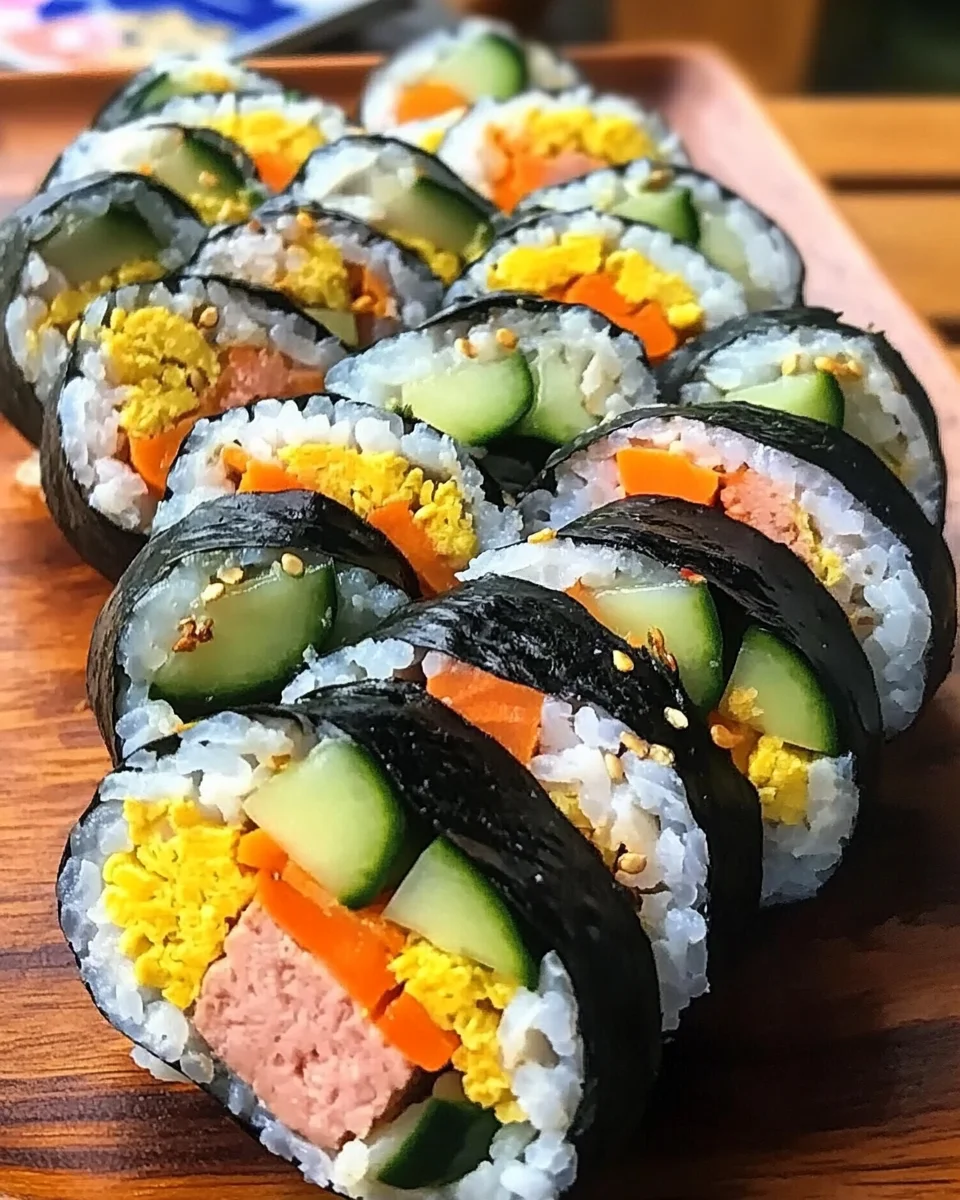
How to Perfect Kimbap (Korean Seaweed Rice Rolls)
Making perfect kimbap requires some tips and tricks. Follow these guidelines to elevate your rolling game.
- Use Fresh Ingredients: Always opt for fresh veggies and quality seaweed to ensure great flavor and texture.
- Cook Rice Properly: Make sure your rice is sticky enough to hold together but not too mushy. Use short-grain white rice for best results.
- Balance Fillings: Choose a variety of fillings that offer different textures and flavors. Mixing crunchy veggies with savory proteins creates a satisfying bite.
- Roll Tightly: When rolling, apply even pressure to avoid loose rolls. A tight roll helps keep everything intact.
- Cut with Care: Use a sharp knife to slice your kimbap into even pieces. Wipe the knife between cuts for clean edges.
- Experiment with Flavors: Feel free to try different sauces or toppings, such as spicy mayo or sesame seeds, for unique twists on traditional kimbap.
Best Side Dishes for Kimbap (Korean Seaweed Rice Rolls)
Kimbap pairs wonderfully with various side dishes that enhance its flavors and create a complete meal experience. Here are some excellent options:
- Kimchi: This fermented cabbage dish adds spice and tang, perfectly complementing the mild flavors of kimbap.
- Pickled Radish: The crunchy texture and tangy flavor of pickled radish provide a refreshing contrast to the rich rice rolls.
- Japchae: These stir-fried sweet potato noodles are savory and slightly sweet, adding depth to your meal alongside kimbap.
- Ddeokbokki: Spicy rice cakes offer a chewy texture that pairs well with the soft rice rolls, creating an exciting combination.
- Miso Soup: A warm bowl of miso soup provides comfort and balances out the meal beautifully.
- Seaweed Salad: Lightly seasoned seaweed salad adds freshness and complements the oceanic notes from the seaweed in kimbap.
- Fried Tofu: Crispy fried tofu gives you protein while adding another layer of flavor when served alongside kimbap.
- Vegetable Tempura: Crispy tempura vegetables bring crunchiness that contrasts nicely with the soft texture of the rice rolls.
These side dishes will surely enhance your kimbap experience!
Common Mistakes to Avoid
When making Kimbap (Korean Seaweed Rice Rolls), it’s easy to overlook some crucial steps. Here are common mistakes to avoid for the perfect rolls.
- Overcooking the Rice: If your rice is mushy, it will make rolling difficult. Use short-grain rice and ensure it’s cooked just right—fluffy but sticky.
- Skipping Seasoning: Unseasoned rice lacks flavor. Mix your cooked rice with a bit of salt and sesame oil for that authentic taste.
- Not Preparing Ingredients Ahead: Cutting ingredients on the spot can lead to uneven rolls. Always prepare and slice all fillings in advance.
- Rolling Too Tightly: Overly tight rolls can cause ingredients to spill out. Roll snugly but not too tight, allowing for some give as you slice.
- Using Old Seaweed: Stale seaweed doesn’t roll well and affects taste. Always use fresh sheets of nori for the best texture and flavor.
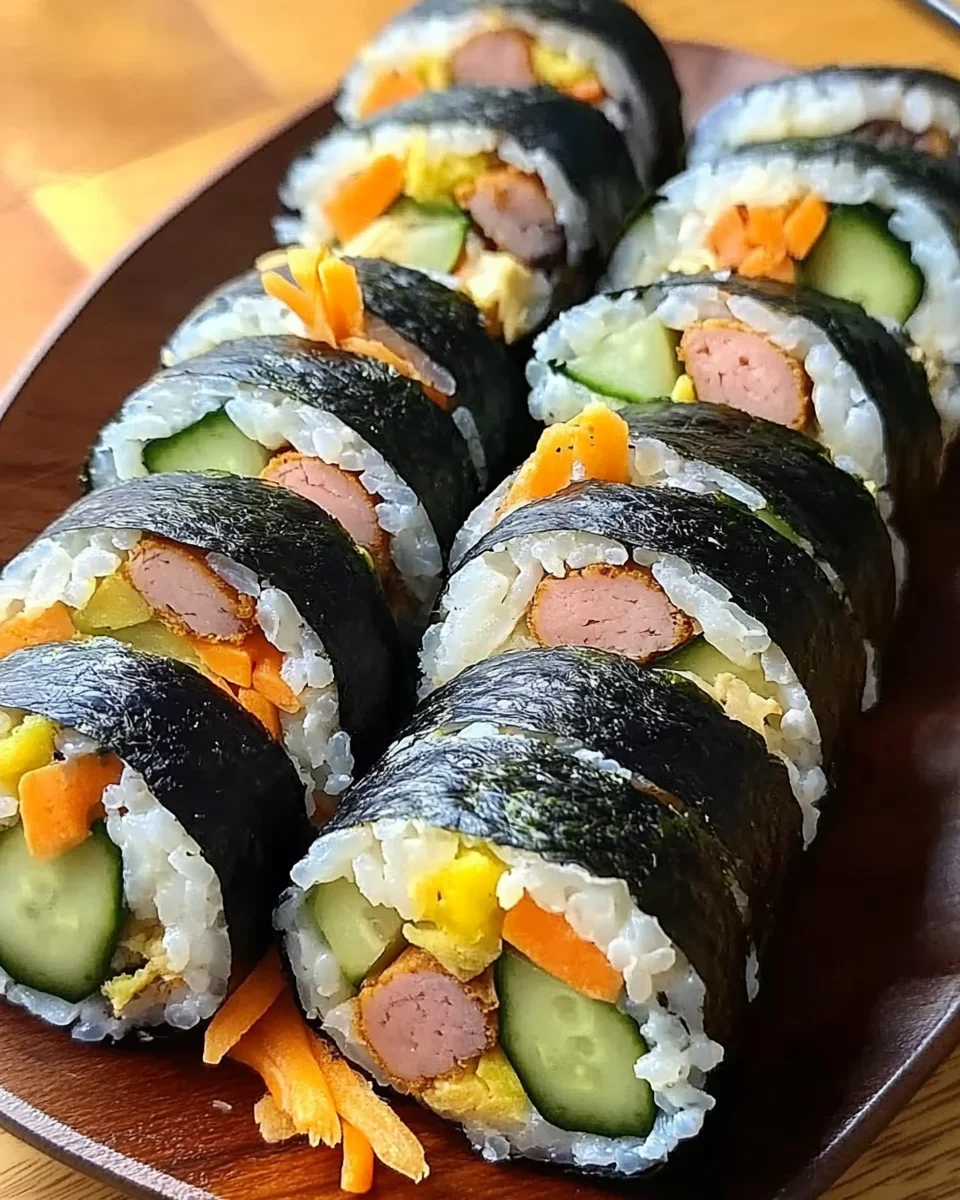
Storage & Reheating Instructions
Refrigerator Storage
- Store Kimbap in an airtight container. It can last up to 3 days in the fridge.
- To maintain freshness, wrap each roll in plastic wrap before placing it in a container.
Freezing Kimbap (Korean Seaweed Rice Rolls)
- Wrap individual rolls tightly in plastic wrap, then place them in a freezer-safe bag.
- Kimbap can be frozen for up to one month, preserving its taste and texture.
Reheating Kimbap (Korean Seaweed Rice Rolls)
- Oven: Preheat to 350°F (175°C) and heat for 10-15 minutes until warm.
- Microwave: Place on a microwave-safe plate, cover with a damp paper towel, and heat for 30-60 seconds.
- Stovetop: Lightly pan-fry on medium heat for a few minutes until warm.
Frequently Asked Questions
If you’re curious about Kimbap (Korean Seaweed Rice Rolls), here are some common questions answered.
What is Kimbap (Korean Seaweed Rice Rolls)?
Kimbap is a popular Korean dish made of steamed rice, vegetables, and protein all rolled up in seaweed. It’s nutritious and great for meals on-the-go.
How can I customize my Kimbap?
You can add various ingredients like avocado, tuna, or even different vegetables based on your preference. The possibilities are endless!
Can I make Kimbap ahead of time?
Yes! You can prepare Kimbap several hours ahead or store it in the fridge for up to three days.
Is Kimbap gluten-free?
Kimbap is gluten-free when made with gluten-free soy sauce and without any wheat-based additives. Always check your ingredient labels.
Final Thoughts
Kimbap (Korean Seaweed Rice Rolls) is not only delicious but also incredibly versatile. You can customize it with your favorite ingredients, making it perfect for any palate or occasion. Try making these colorful rolls at home—they’re sure to delight everyone!
Kimbap (Korean Seaweed Rice Rolls)

Kimbap, or Korean Seaweed Rice Rolls, is a vibrant and flavorful dish that brings the tastes of Korea right to your kitchen. These delightful rolls are not only visually appealing but also versatile, making them perfect for picnics, lunchboxes, or a quick snack at home. Customizable with a variety of fillings—from fresh vegetables to savory proteins—kimbap caters to all dietary preferences. Each bite delivers a satisfying blend of textures and flavors, ensuring you’ll come back for more. Whether served on their own or paired with sides like kimchi or miso soup, kimbap is a wholesome meal option that everyone will love.
- Prep Time: 20 minutes
- Cook Time: 30 minutes
- Total Time: 50 minutes
- Yield: Serves 4
- Category: Main
- Method: Frying
- Cuisine: Korean
Ingredients
- 3 eggs
- 1 cucumber
- 3 carrots
- 1 pickled yellow radish (danmuji/takuan)
- 1 can of Spam (lunch meat)
- 2 cups cooked short-grain white rice
- 4 sheets seaweed (gim/nori)
- Optional: sesame oil and sesame seeds
Instructions
- Beat the eggs and cook in a greased frying pan until set; slice into strips.
- Cut cucumber, carrots, pickled radish, and spam into thin strips.
- Sauté carrots after salting for 15 minutes; fry spam until golden brown.
- Lay seaweed on a bamboo mat, spread rice evenly while leaving space at the top.
- Add fillings in rows, roll tightly using the bamboo mat, and seal the edges.
- Brush with sesame oil and sprinkle with sesame seeds before slicing into pieces.
Nutrition
- Serving Size: 1 serving
- Calories: 330
- Sugar: 2g
- Sodium: 700mg
- Fat: 14g
- Saturated Fat: 4g
- Unsaturated Fat: 7g
- Trans Fat: 0g
- Carbohydrates: 40g
- Fiber: 3g
- Protein: 10g
- Cholesterol: 90mg